What Is Gutter Flashing in Memphis (How Ignoring It Destroys Fascia)
Why That Peeling Paint Might Be a Bigger Problem Than You Think
You’re walking around your home in Memphis and start wondering what is gutter flashing—especially after noticing something off. Maybe the paint near your roofline is peeling, or the wood behind your gutters feels soft. At first glance, it doesn’t seem like a big deal. Just cosmetic, right?
Not quite.
What you’re likely seeing is the early warning sign of a hidden issue that many homeowners overlook: failing or missing gutter flashing.
And here’s the problem—by the time you notice visible damage, water has often been working behind the scenes for months (or even years), slowly rotting your fascia board.
In this guide, we’ll break down exactly what gutter flashing is, why it matters, and how ignoring it could lead to expensive structural repairs.
What Is Gutter Flashing?
Let’s keep it simple.
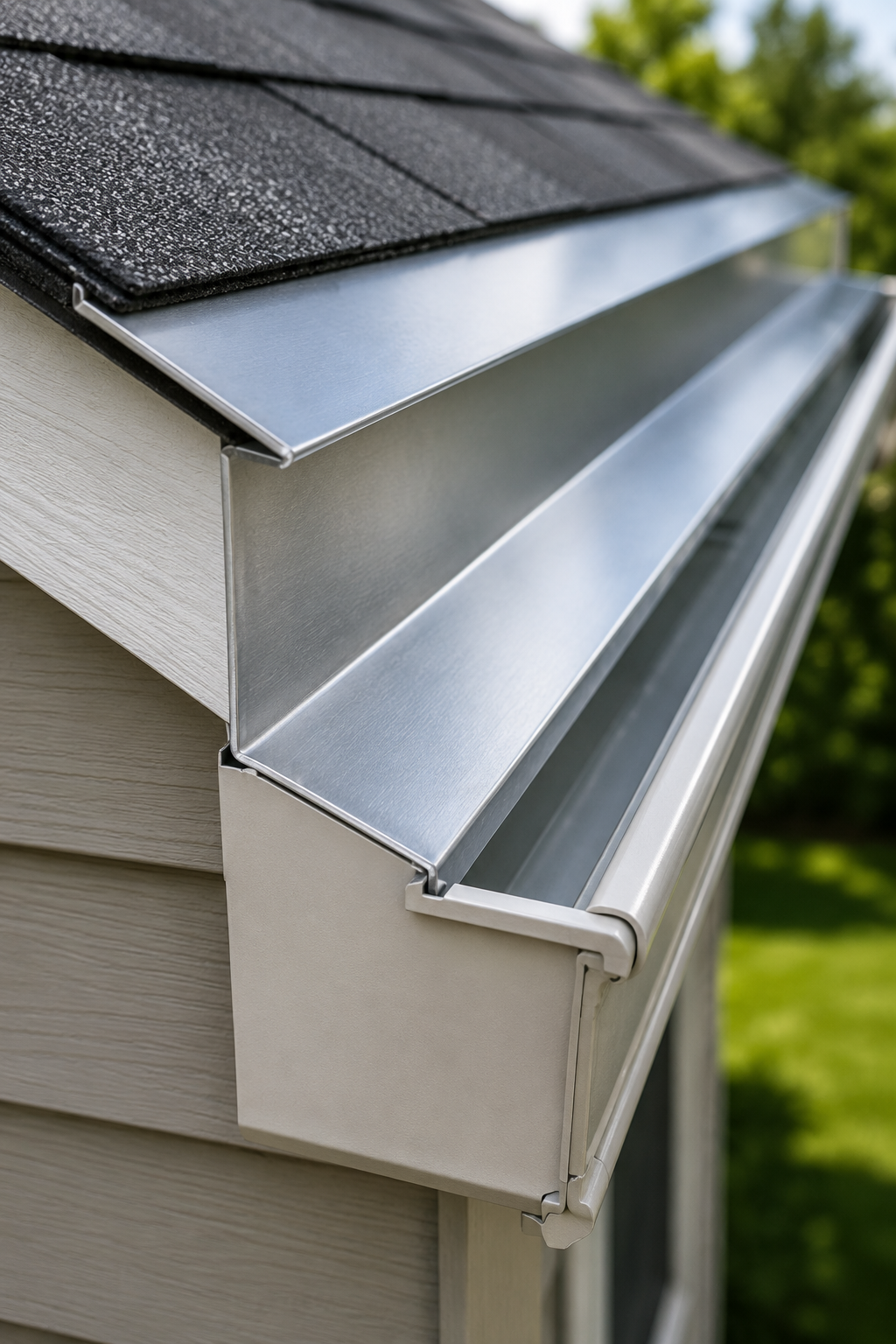
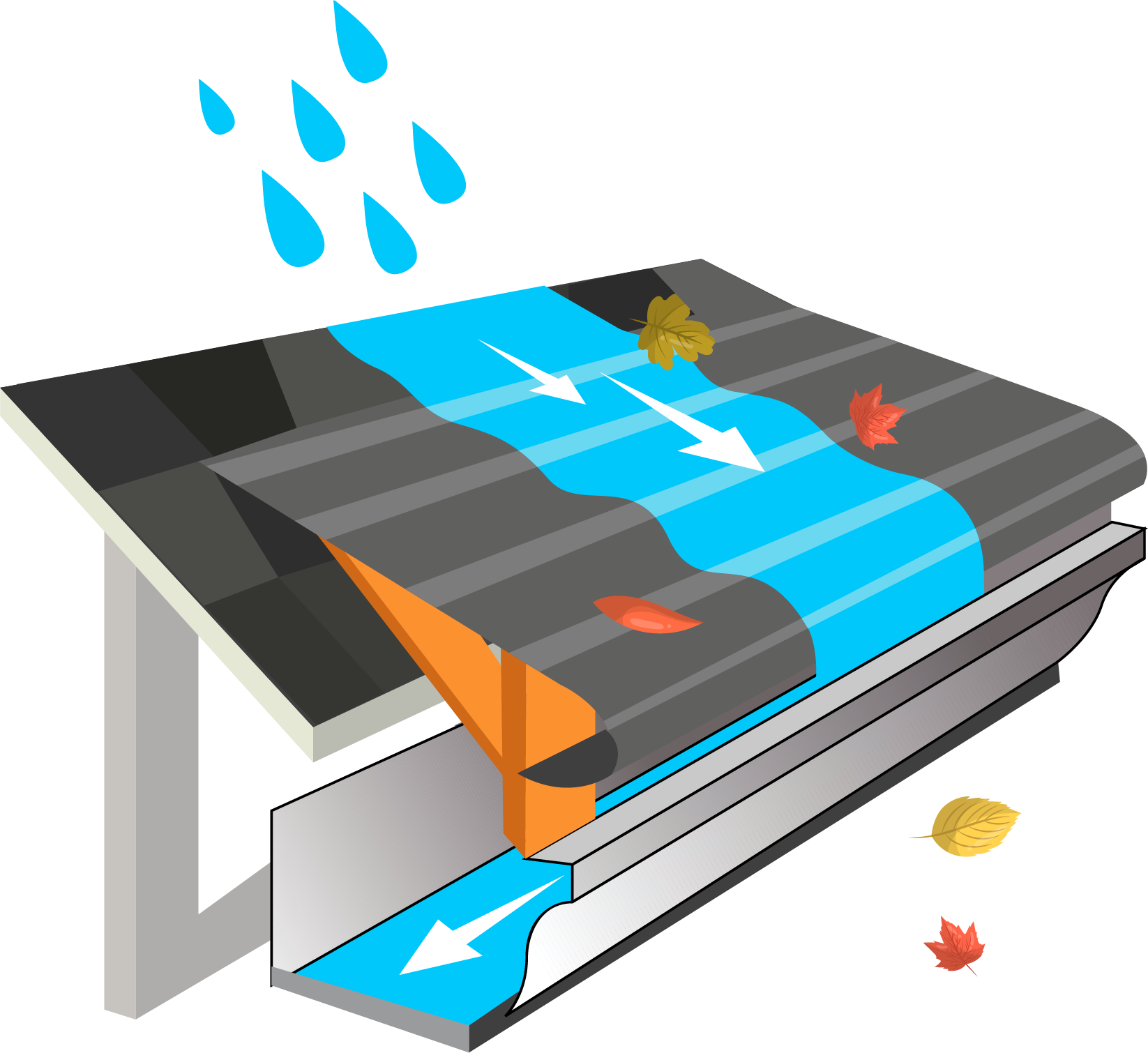
Gutter flashing is a thin strip of metal—usually aluminum or galvanized steel—installed where your roof meets your gutter system.
Its job is to:
- Direct water from the roof into the gutter
- Prevent water from slipping behind the gutter
- Protect the fascia board (the wood behind your gutters)
Think of it as a protective barrier that ensures water goes where it’s supposed to go.
Without proper flashing, water doesn’t follow a clean path—it seeps into places it shouldn’t.
Why Gutter Flashing Matters More Than You Think
Water is incredibly persistent. If there’s even a small gap, it will find its way in.
When gutter flashing is missing, damaged, or installed incorrectly:
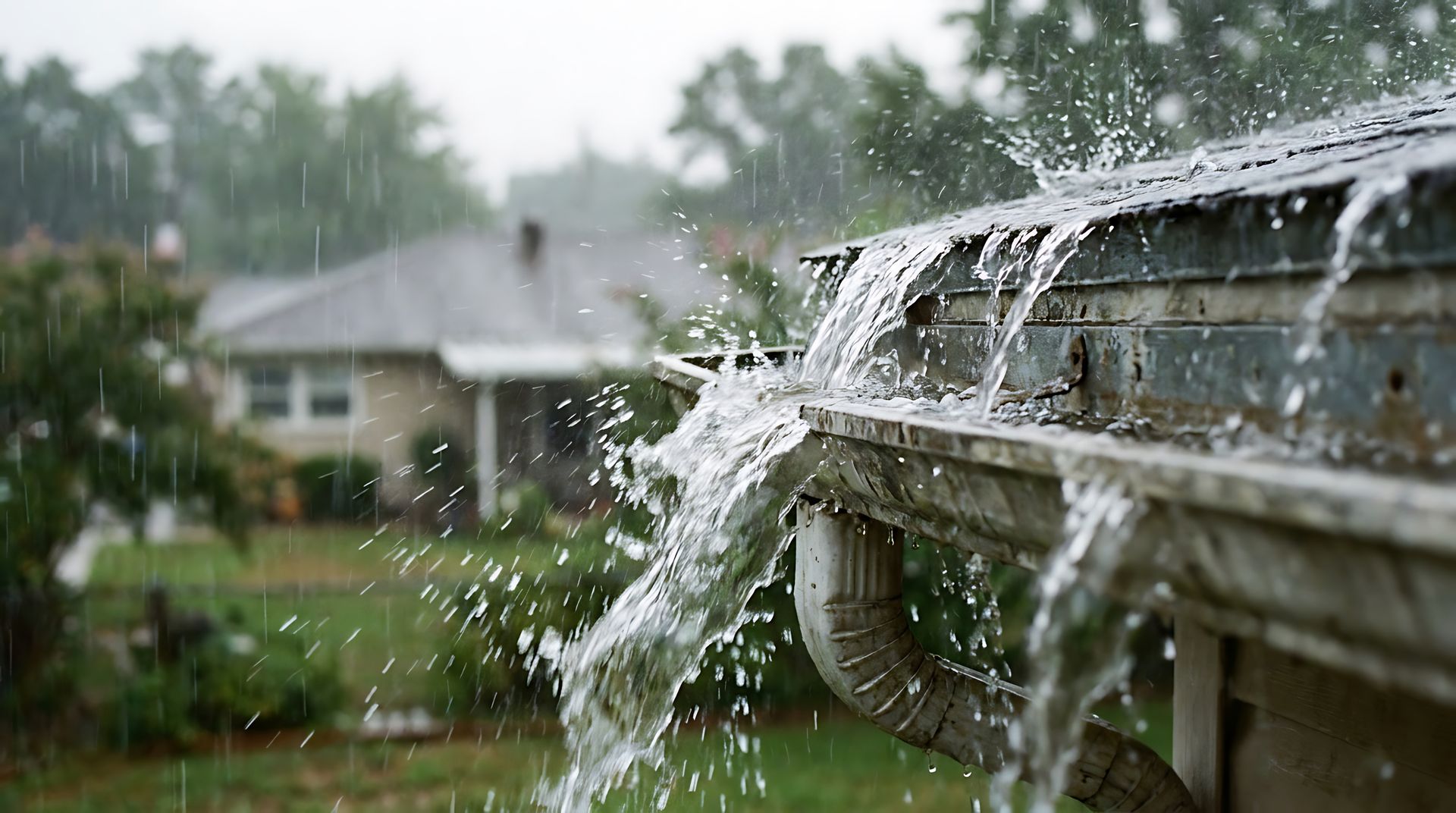
- Water runs behind the gutter instead of into it
- Moisture sits against the fascia board
- The wood begins to absorb water
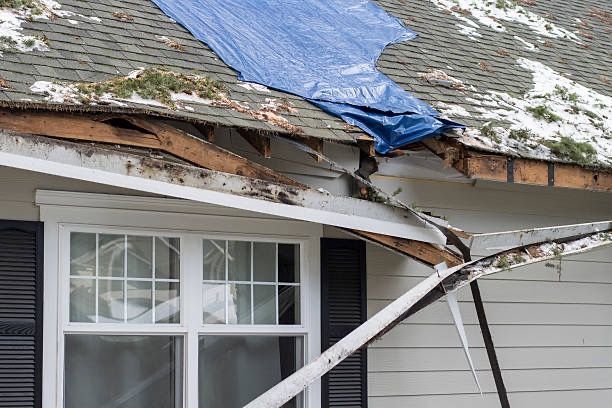
Over time, this leads to fascia board rot, one of the most common (and costly) exterior home issues.
And the worst part? It often happens silently, without obvious signs—until the damage is already significant.
Signs Your Gutter Flashing Is Failing
Most homeowners don’t realize they have a flashing problem until visible damage appears. Here’s what to look for:
Warning Signs to Watch For:
- Peeling or bubbling paint near the roofline
- Soft or spongy wood behind the gutters
- Water stains running down exterior walls
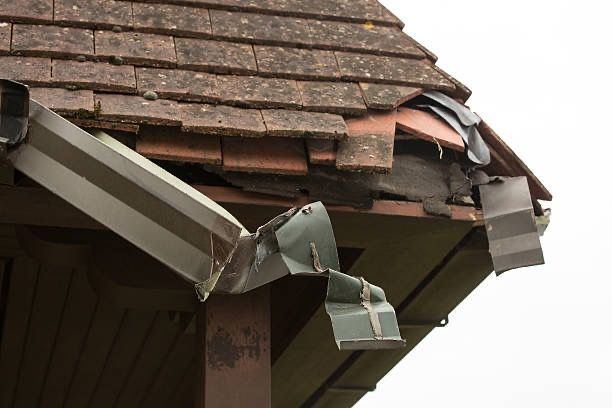
- Gutters pulling away from the house
- Visible gaps between the gutter and roofline
- Mold or mildew near the fascia
If you notice even one of these signs, there’s a good chance water is getting where it shouldn’t.
How Fascia Board Rot Actually Happens
Let’s walk through what’s happening behind the scenes so you can visualize the problem.
Step-by-Step Breakdown:
- Water bypasses the gutter
Without proper gutter flashing, rainwater flows behind the gutter instead of into it. - Water collects behind the fascia
The water has nowhere to go, so it sits against the wood. - The wood absorbs moisture
Wood naturally soaks up water, especially over time. - Rot begins to develop
Constant moisture creates the perfect environment for decay. - Structural damage spreads
As the fascia weakens, it can affect your gutters, soffits, and even parts of your roofline.
This process doesn’t happen overnight—but once it starts, it doesn’t stop on its own.
How to Inspect Gutter Flashing (Without Risking a Fall)
You don’t need to climb onto your roof to get a general idea of whether your gutter flashing is working properly.
Simple Ways to Check:
- Look up at the edge of your roofline from the ground
- Check for visible gaps between the gutter and roof
- Watch how water flows during rain (or use a hose test)
- Inspect for staining or discoloration under gutters
- Gently press on exposed wood to check for softness
If anything looks off, it’s worth getting a professional inspection.
Gutter Flashing Repair vs. Replacement
Not every issue requires a full replacement—but knowing the difference can save you time and money.
When a Repair Might Work:
- Flashing is slightly misaligned
- Small gaps can be sealed
- Minor leaks with no visible wood damage
When Replacement Is Necessary:
- Flashing is missing or severely damaged
- Fascia board shows signs of rot
- Gutters are pulling away from the home
- Long-term water damage is present
In many cases, ignoring small flashing issues leads to much larger repairs down the line.
What Does It Cost to Fix Gutter Flashing?
Costs can vary depending on the extent of the damage, but here’s a general idea:
Typical Cost Ranges:
- Minor flashing repair: $150 – $500
- Flashing replacement: $500 – $1,500
- Fascia board replacement (with flashing): $1,500 – $3,500+
While repairs may seem like an unexpected expense, they’re far less costly than dealing with structural damage later.
Why Professional Installation Matters
Gutter flashing might seem like a small detail—but it plays a major role in protecting your home.
Working with a professional ensures:
- Proper installation and alignment
- High-quality materials that last
- Identification of hidden damage
- Long-term protection against water intrusion
At Gutter Fabricators, we understand how critical these details are. Our team ensures your gutter system works exactly as it should—protecting your home from costly damage.
How to Prevent Fascia Board Rot
The good news? This is a preventable issue.
Simple Preventative Tips:
- Schedule regular gutter inspections
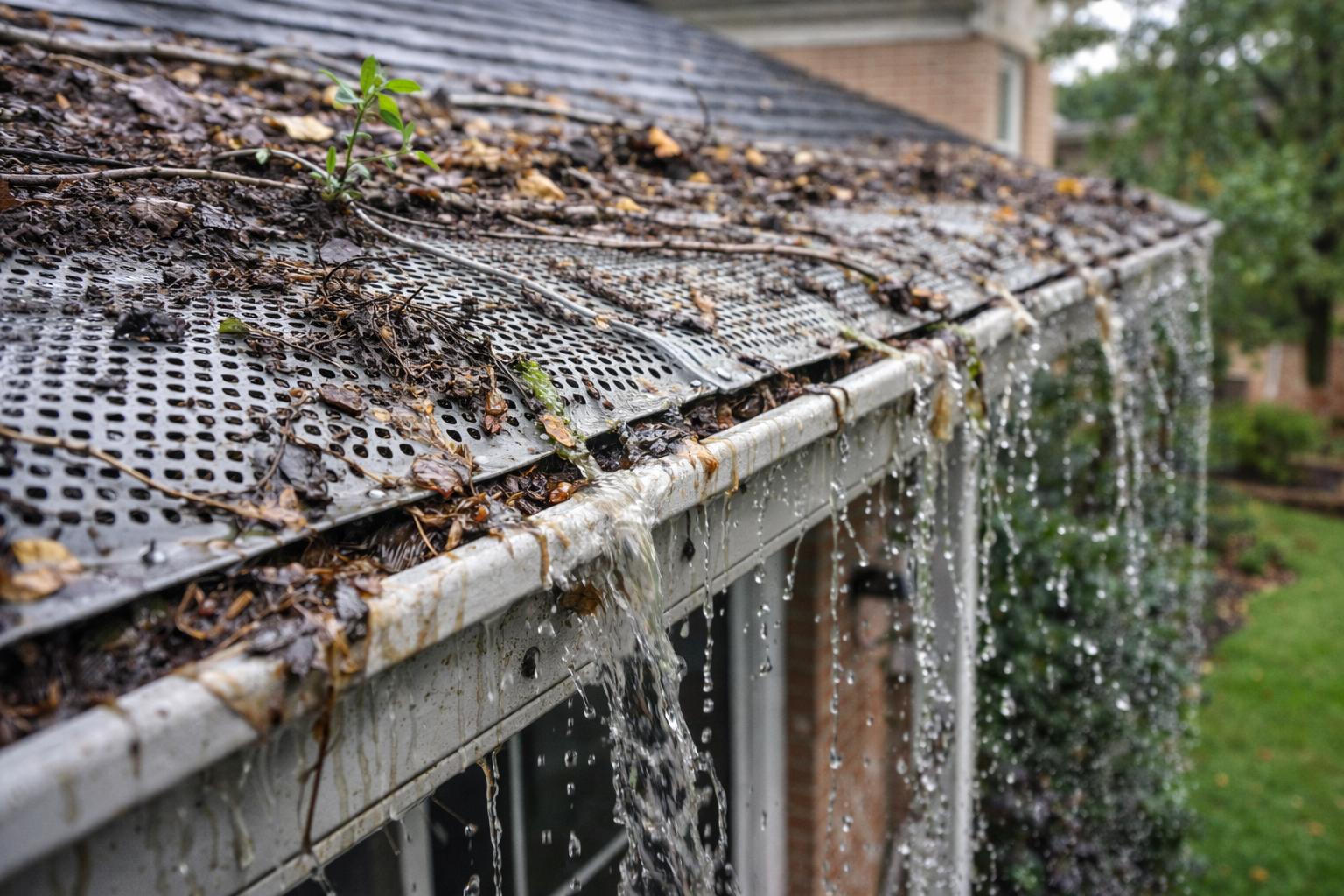
- Keep gutters clean and free of debris
- Address small leaks immediately
- Ensure proper flashing is installed
- Check your roofline after heavy storms
A little maintenance now can save thousands in repairs later.
Don’t Let Gutter Flashing Problems Go Unnoticed
Gutter flashing might not be something you think about often—but it’s one of the most important parts of protecting your home from water damage.
Ignoring it can quietly lead to fascia board rot, structural issues, and expensive repairs.
Taking action early makes all the difference.
📞 Need help with gutter flashing or fascia repair? Call Gutter Fabricators at (901) 590-9851 for expert service and long-lasting solutions today!